

Vohra Piano

Others

History-of-the-Piano-in-India

History of the Piano in India

The piano came to India in the late 1700s and early 1800s through European colonial rule and growing contact with Western music. This is the beginning of the history of the piano in India. Over time, it began to feel familiar. This is not just the story of an instrument. It is the story of how Indians listen, learn, and adapt. The Piano’s History of the Piano in India The piano came to India during British rule. British officers, missionaries, and teachers brought it with them. Many early pianos arrived through the British East India Company. They travelled long distances by sea and land. These pianos were heavy and fragile. Moving them was slow and difficult. At first, pianos stayed inside British homes. They were signs of comfort and culture. Most Indians only saw them from outside. The piano felt distant and unfamiliar. Where Indians First Heard the Piano Early on, pianos were found in select places.Clubs, churches, and colonial schools used them. British clubs played piano music in the evenings.It was part of social life. Churches used pianos during prayers and hymns.The sound filled quiet halls. Mission schools introduced piano lessons.Students learned songs and simple notes. For many Indians, this was their first experience.The piano became linked with learning and discipline. History of the Piano in India Curiosity Begins to Grow Indian musicians are great listeners.They notice sound deeply. Slowly, curiosity around the piano increased.People noticed its clear and steady notes. The piano could play many sounds together.That felt new and powerful. Some Indian students began learning piano seriously.Most lived in large cities. Kolkata, Mumbai, and Chennai led early interest.These cities had strong cultural exchange. Learning was slow, but interest stayed strong. Why the Piano Felt So Different Indian music flows naturally.Notes bend, slide, and move freely. The piano works differently. Each key gives one fixed sound. This felt strict at first. Many musicians found it limiting. Still, the piano had its uses. It showed pitch very clearly. Teachers used it as a guide. Like lines on a notebook page. Some musicians played Indian tunes on piano.They adjusted melodies to fit the keys. It was not perfect, but it opened new ideas. Curiosity Begins to Grow Indian musicians are great listeners. They notice sound deeply. Slowly, curiosity around the piano increased. People noticed its clear and steady notes. The piano could play many sounds together. That felt new and powerful. Some Indian students began learning piano seriously.Most lived in large cities. Kolkata, Mumbai, and Chennai led early interest.These cities had strong cultural exchange. Learning was slow, but interest stayed strong. If you are interested in keeping a piano in good condition, you can also read our guide on piano care and maintenance. Why the Piano Felt So Different Indian music flows naturally.Notes bend, slide, and move freely. The piano works differently.Each key gives one fixed sound. This felt strict at first.Many musicians found it limiting. Still, the piano had its uses.It showed pitch very clearly. Teachers used it as a guide.Like lines on a notebook page. Some musicians played Indian tunes on piano.They adjusted melodies to fit the keys. It was not perfect, but it opened new ideas. Piano in Royal Homes Indian royal families noticed Western culture.Music was part of this exchange. Some palaces had pianos.They stood beside traditional instruments. Royal children learned piano as part of their education.Court musicians explored its sound. These moments were few but important.They showed growing comfort with the piano. The instrument no longer felt completely foreign. Music Schools and Proper Training Over time, piano learning became more organized. Music schools started formal classes. Church-run schools played a big role.They taught music reading and technique. Later, private teachers taught from their homes. This made lessons more personal. Music exams from Trinity College London became popular. They gave students clear goals. Certificates brought pride to families.Piano learning gained respect. Parents began seeing it as serious education. Radio changes everything. Radio brought music into everyday life.You did not need to own an instrument. All India Radio played Western and mixed music.The piano reached homes across India. People heard it during quiet evenings.Its sound felt calm and emotional. Radio made the piano feel closer.It removed distance and formality. Many listeners became curious.Some dreamed of learning piano themselves. The Piano Finds a Place in Films Indian films played a big role.Film music reached millions of people. Old Hindi films often used piano sounds.Especially in emotional scenes. The piano suited romance and sadness.It spoke softly, without words. Audiences grew familiar with its tone.Even if they never saw one. The piano became part of shared memory.It felt personal and warm. History of the Piano in India A New Voice in Modern Music As Indian music evolved, so did the piano’s role.Composers started experimenting more. Artists like A. R. Rahman used piano creatively.They blended it with Indian rhythms. The piano no longer stood apart.It blended smoothly with Indian sounds. This mix felt natural, not forced.Listeners accepted it easily. The piano began sounding Indian in spirit. The Piano Enters Everyday Homes By the late twentieth century, pianos entered homes.Mostly upright pianos due to space. Middle-class families saw piano as valuable learning.Children practiced after school. The piano became part of daily routine.It taught patience and focus. Space and cost were still challenges.But interest kept growing. Music moved closer to home life. Digital Pianos Change Access Digital pianos changed everything.They were smaller and more affordable. Maintenance became easier.Tuning was no longer a worry. Headphones allowed silent practice.This suited Indian homes well. Keyboards also became popular.They offered piano sounds with more options. Learning became possible for many more families. Online Learning Opens New Doors Technology reshaped music education.Online lessons reached small towns. Students learned through videos and live classes.They practiced at their own pace. Teachers shared recordings and feedback.Learning became flexible and friendly. Distance no longer mattered.The piano reached new learners. The Piano in Today’s India Today, the piano feels normal in India.It appears in films, concerts, and albums. Independent musicians use it

History of the Piano in India Read More »

How-Humidity-Affects-Acoustic-Pianos

How Humidity Affects Acoustic Pianos

How Humidity Affects Acoustic Pianos: Humidity is one of the most important environmental factors affecting the performance, piano tuning stability, and lifespan of an acoustic piano. Because an acoustic piano is made largely from wood, felt, and metal, changes in moisture levels directly influence how the instrument behaves. Why acoustic pianos are sensitive to humidity An acoustic piano has over 10,000 parts, many of which are made from wood, leather, and wool (they absorb water and release moisture).Key components affected include: When suddenly humidity changes, these materials expand or contract; because of this, the parts balance and sound change. How Humidity Affects Acoustic Pianos – Effects of HIGH humidity (above ~60%) High humidity causes wood and felt to absorb moisture, leading to: How Humidity Affects Acoustic Pianos 1. Soundboard swelling 2. Sticky or sluggish keys 3. Rust and corrosion 4. Muffled tone “You can read our blog How to Take Care of Your Piano” Effects of LOW humidity (below ~40%) Low humidity in the room causes wood to dry out and shrink, resulting in: 1. Soundboard cracks 2. Loose tuning pins 3. Brittle action parts Ideal humidity range for acoustic piano Recommended relative humidity for piano:✅ 45% – 55%Ideal room temperature:✅ 18°C – 24°C Keeping conditions stable is more important in sudden changes in weather. cause more damage than slightly imperfect levels. Seasonal humidity challenges If pianos are placed near windows, kitchens, bathrooms, or AC vents, they are especially vulnerable, and the piano will be in worse condition in the future. How to protect an acoustic piano from humidity damage Practical protection methods: Long-term impact on sound and value Poor humidity control can lead to: Well-maintained humidity conditions, on the other hand, help preserve: Conclusion How Humidity Affects Acoustic Pianos: Humidity’s impact on an acoustic piano is considerable. In terms of sound quality, feel, and longevity, controlling the moisture content of the air around the instrument is crucial to achieving optimum sound and feel. Not only does this provide the best-performing instrument, whether it be used in practice, performance, or event settings, but it also protects the investment made in the piano as a musical instrument.

How Humidity Affects Acoustic Pianos Read More »

How to Choose the Right Piano Technician in Delhi NCR

How to Choose the Right Piano Technician in Delhi NCR

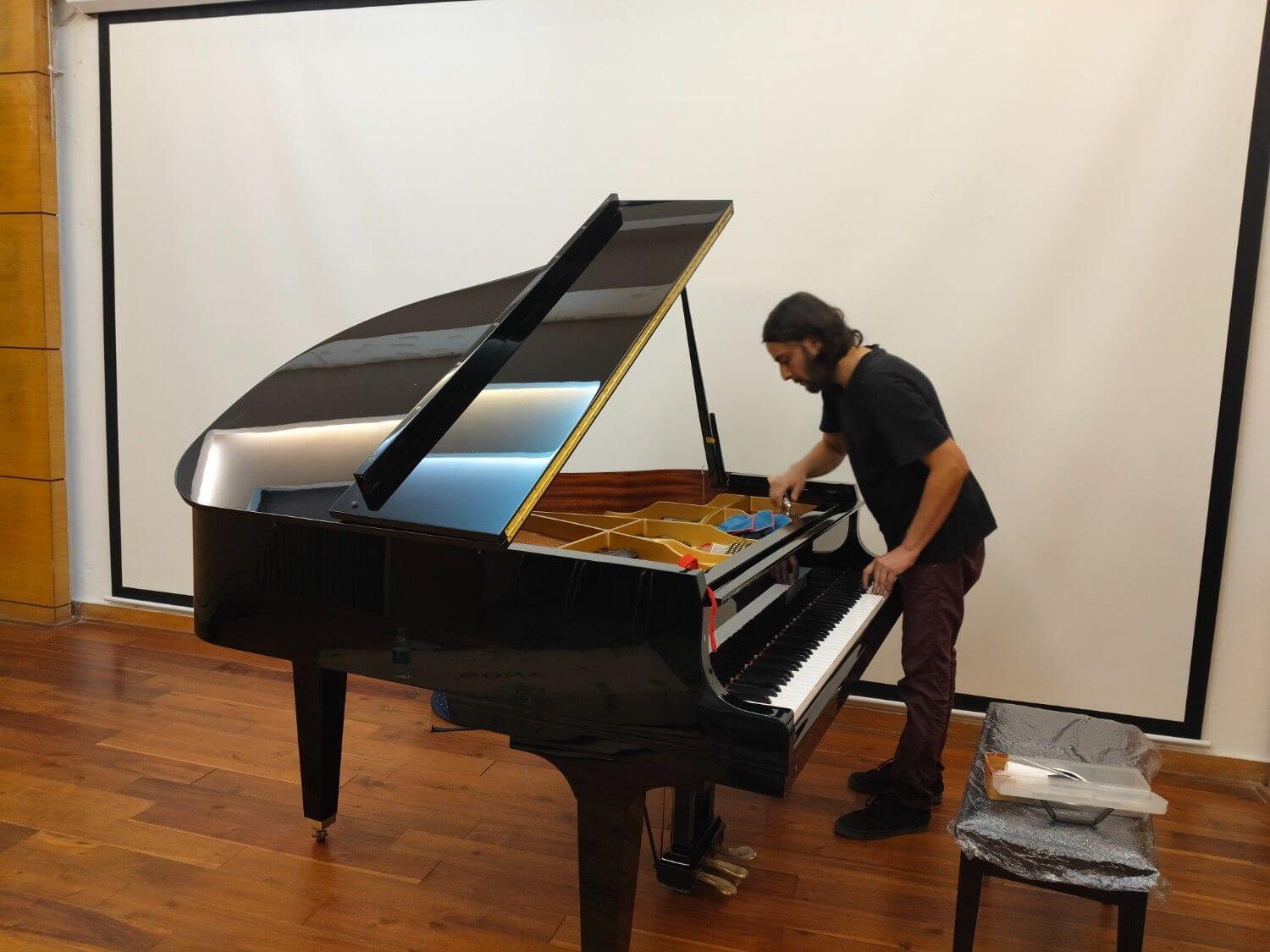
How to Choose the Right Piano Technician in Delhi NCR: Choosing the right piano technician in Delhi NCR tends to be a big deal, because your piano, in a way, only sounds as good as the person caring for it. So if you’ve got an upright, a grand, or something in between, you pretty much want someone whose hands and ears are tuned into the tiny bits inside the instrument. This little guide more or less walks you through what to notice, what to ask, and why folks sometimes pick the wrong person. Why a Skilled Technician Matters A piano holds thousands of moving parts, and as a matter of fact, each one reacts a little differently to weather, touch, and age. Many new owners kind of assume Piano tuning is quick work, yet a good tech brings that trained ear that keeps the sound steady, smooth, and clear. A well-serviced piano usually feels nicer under the fingers and stays in shape longer. How to Choose the Right Piano Technician in Delhi NCR How a Technician Affects the Sound Now, piano tuning is just one slice of it. A real pro often checks the action, tweaks the hammer angle, and shapes the tone so every note more or less blends across the keyboard. If you often play, the difference between a quick tune and full piano care can be pretty huge. How to Choose the Right Piano Technician in Delhi NCR When You Need a Technician in Delhi NCR How to Choose the Right Piano Technician in Delhi NCR, Delhi NCR tends to swing between humid and dry, and that shift kind of pushes the wood inside a piano around. This usually means you need tuning twice a year. If you hear buzzing, notice sticky keys, or feel notes sliding out of pitch, it might be time to call someone in. What to Look For in a Technician Certifications Instead of relying only on certificates, look for real hands-on expertise. At Vohra Piano, our technicians have trained in Japan and gained practical experience working with Yamaha and Kawai pianos—ensuring authentic, high-standard craftsmanship. Experience With Different Brands OK, so Delhi NCR sees Yamaha, Kawai, Steinway, Casio hybrids, and many others. A little tip is to pick someone who already works with your type of piano. Grands, for instance, need very specific handling. Checking Local Reputation The region has plenty of technicians, though their skill levels vary quite a bit. Looking at reviews, photos, and clear pricing usually helps you sort out who’s steady and who isn’t. What to Look For Online A simple website with service details, honest reviews, and easy contact info tends to be enough. Google listings and social pages often reveal how consistent they are. Questions to Ask You might ask: How to Choose the Right Piano Technician in Delhi NCR– how long they’ve been piano tuning– whether they do voicing and regulation– which brands they’re used to– what tools they carry– if they give after-service help Their answers usually show how confident and steady they are. Costs Across Delhi NCR Tuning prices more or less sit between ₹3,500 and ₹4,000, and extra work like voicing or action adjustments can raise the bill. Bigger repairs shift the cost further, depending on parts. How to Compare Technicians Don’t jump at the cheapest name. Folks who charge slightly more often bring better tools and experience. Some offer yearly plans that keep things predictable. Long-Term Care Finding the right technician isn’t just a one-off thing. Building a steady relationship helps your piano stay healthy. Maintenance Plans Many techs offer yearly packs with two or three tunings and light repairs, which suits schools and active performers. Emergency Support Rajneesh Vohra is a reliable piano technician usually helps out with quick fixes like stuck keys or a sudden tuning need before a show. FAQs How to Choose the Right Piano Technician in Delhi NCR Conclusion Learning How to Choose the Right Piano Technician in Delhi NCR helps you protect your musical investment and enjoy the best possible sound. Always choose a trusted, experienced professional with solid reviews, proper tools, and strong client feedback. or Contact us

How to Choose the Right Piano Technician in Delhi NCR Read More »

vohra piano animal and bird care

We Spend 10 – 15% of Our Income to Feed and Help Animals & Birds

“We Give Back to Nature” Vohra Piano – Animal & Bird Care We Love and Care for Animals Vohra Piano Animal and Bird Care We Spend 10 to 15% of Our Income to Feed and Help Animals & Birds At Vohra Piano, compassion is part of our business. We believe that every living being deserves love, care, and dignity. That’s why 10-15% of our income goes directly toward feeding and supporting stray animals and birds across our community. Whether it’s providing grains and seeds for birds during extreme summers or medical help and food for street dogs, cats, or injured animals — every piano you rent or service you take helps save lives. 💚 Where Your Contribution Goes: 🐕 Street dog and cat food drives 🐦 Daily grains and clean water for birds 🐄 Emergency care for injured animals 🏥 Medical treatments & vaccinations Why We Do It: We’re not just passionate about pianos. We’re passionate about compassion. By combining business with purpose, we aim to create a world where music and kindness go hand in hand. “Helping one animal may not change the world, but it will change the world for that one animal.” Our Welfare Gallery: Coming soon – real images of animals and birds we’ve helped thanks to your support. 🙏 Thank You for Being a Part of This Movement When you choose Vohra Piano, you’re not just supporting a local business — you’re becoming part of a community that cares. 🕊️ Let’s keep making music and spreading kindness. “We Give Back to Nature”

We Spend 10 – 15% of Our Income to Feed and Help Animals & Birds Read More »