

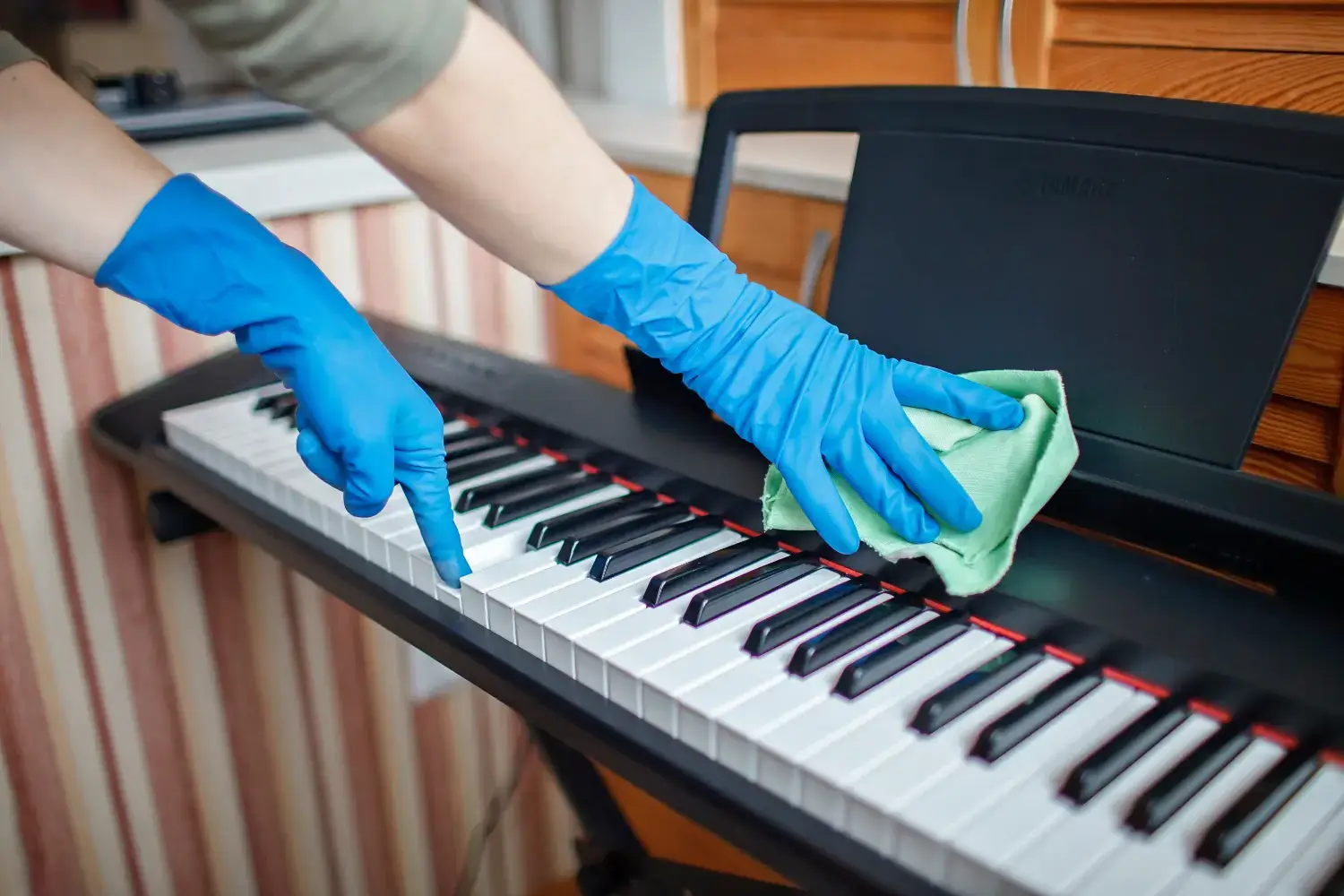
Piano Care: Maintenance Tips to Protect Your Instrument
A piano is a complex musical instrument made of wood, metal, felt, and finely balanced mechanical parts. Proper piano care is essential to preserve its sound quality, appearance, and structural integrity over time. Without regular maintenance, even a well-built piano can suffer from tuning instability, mechanical wear, and environmental damage. This guide explains practical and professional piano care methods to help piano owners protect their instruments and ensure consistent performance. Why Piano Care Matters Regular care keeps pitch steady and keys responsive.It also reduces stress on internal parts.Air changes, dust, and neglect slowly weaken the piano. Proper piano care provides clear benefits: Regular piano tuning helps maintain pitch accuracy and tonal balance over time. Pianos that receive steady care perform more reliably.They stay stable through seasonal and daily changes.Ignoring care leads to faster wear and repair needs. How Environment Affects a Piano A piano care reacts to its surroundings every day.Wood expands and shrinks with air moisture.Metal strings change tension with heat shifts. Fast changes cause stress inside the piano.This stress weakens glue joints and moving parts.Stable conditions protect the piano more than any single action. Room choice matters as much as cleaning or tuning.The wrong space shortens the piano’s usable life. Types of Piano Care Differences Each piano type has unique care needs.Design and size affect how parts react to air and use. Upright Pianos Upright pianos are common in homes and schools.They save space but sit close to walls.Exterior walls often carry heat and cold changes. Keep uprights several inches from outside walls.Interior walls provide steadier conditions.This helps prevent tuning drift and stiff keys. Grand Pianos Grand pianos use long horizontal strings.They have wide soundboards that react to air moisture.Even small changes affect tone balance. Grand pianos benefit from careful air control.Regular service helps maintain even touch and sound. Daily Piano Care Habits Simple habits reduce damage over time.They also lower service costs later. Proper Placement Place the piano away from sunlight.Avoid windows, vents, heaters, and air units.Choose a spot with calm air movement. Never place the piano in damp areas.Basements and sunrooms often cause damage.A stable room protects internal parts best. Seasonal Piano Care Season changes affect every piano.Awareness prevents common seasonal problems. Summer Piano Care Warm months often bring high moisture.Wood parts swell, and keys may slow.Tuning may drop or shift unevenly. Use dehumidifiers when air feels heavy.Allow gentle airflow, not direct drafts.Close windows during humid days. Winter Piano Care Cold months dry indoor air.Wood shrinks, and glue joints weaken.Cracks may form in soundboards. Humidifiers help replace lost moisture.Keep levels steady, not high.Sudden changes cause more harm than low levels alone. Seasonal care protects the piano year round. Keyboard Care and Handling The keyboard is the most touched part.Daily care keeps it clean and responsive. Wash and dry hands before playing.Skin oils and dirt stain keys over time.Close the key cover after each session. Never place items on the keys.Even light objects cause marks and stress.Careful handling prevents surface damage. Safe Piano Cleaning Methods Cleaning must be gentle and controlled. Exterior Cleaning Use a soft, dry cloth often.For polished finishes, lightly dampen if needed.Wipe dry right away. Avoid furniture sprays and harsh cleaners.They leave residue and damage finishes. Key Cleaning Use a slightly damp cloth for keys.Clean small sections at a time.Dry each section before moving on. Never let liquid drip between keys.Moisture inside causes sticking and swelling. Covers and Accessories Accessories can help or harm.Use them with care. Piano Covers Breathable covers reduce dust buildup.They allow air flow around the piano.Avoid plastic or sealed covers. Trapped moisture increases damage risk.Fabric covers offer better protection. Items to Avoid Do not place drinks on the piano.Spills cause deep and lasting damage.Avoid heavy books or decorations. Weight affects balance and case structure.Clear surfaces protect the piano best. Air Moisture and Temperature Control Environmental control is essential. Ideal Room Conditions Temperature should stay near normal room range.Humidity should stay around forty to fifty percent. Why Control Matters High moisture causes: Low moisture causes: Room units or piano care systems help maintain balance.Consistency matters more than exact numbers. Protecting Internal Piano Parts Inside a piano are thousands of moving parts.Each part relies on smooth motion and balance. Action and Felt Parts Action parts control key response.Dust and moisture reduce smooth motion.Uneven wear affects touch sensitivity. Clean air and steady use protect these parts. Strings and Soundboard Strings carry heavy tension every day.The soundboard shapes and amplifies tone. Stable air prevents rust and cracking.Good conditions preserve rich sound. When Professional Service Is Needed Home piano care cannot replace expert service. Piano Tuning Tune the piano once or twice yearly.Regular tuning balances string tension.It also protects the frame and soundboard. New pianos need more frequent tuning early on. Mechanical Service Technicians inspect and adjust: Early piano care and service prevents major failure later. How Often a Piano Needs Service Service needs vary by use and age. Lightly Used Pianos Occasional home use requires yearly tuning.Simple inspections ensure long-term stability. Regular Use Pianos Frequent practice increases wear.These pianos benefit from tuning twice yearly.Action parts wear faster with daily use. Older Pianos Older pianos may need deeper care.Action work restores touch and control.Extra service extends useful life. Moving a Piano Safely Moving a piano risks serious damage.Weight shifts stress legs and joints. Always use trained piano movers.They use boards, pads, and straps. After moving, allow time to settle.Tune only after conditions stabilize. Common Piano Care Mistakes Avoid these harmful habits: Small mistakes lead to large repairs. Ignoring mechanical issues may eventually require professional piano repair. Signs a Piano Needs Attention Early signs should never be ignored: Quick action reduces damage and cost. Long-Term Benefits of Proper Care Consistent care improves performance and value. Benefits include: Well-cared-for pianos last for decades. Piano Care and Value Protection Piano care protects more than sound.It protects long-term worth. Well-maintained pianos: Care preserves both function and value. Piano Care in Shared Spaces Shared spaces increase wear.Schools and studios need stricter care routines. Set clear use rules.Keep food and
Piano Care: Maintenance Tips to Protect Your Instrument Read More »