

How Humidity Affects Acoustic Pianos: Humidity is one of the most important environmental factors affecting the performance, piano tuning stability, and lifespan of an acoustic piano. Because an acoustic piano is made largely from wood, felt, and metal, changes in moisture levels directly influence how the instrument behaves.

Why acoustic pianos are sensitive to humidity
An acoustic piano has over 10,000 parts, many of which are made from wood, leather, and wool (they absorb water and release moisture).
Key components affected include:
- Soundboard (spruce wood)
- Pinblock (laminated hardwood)
- Keys and action parts
- Felt hammers and dampers
- Steel strings and tuning pins
When suddenly humidity changes, these materials expand or contract; because of this, the parts balance and sound change.
How Humidity Affects Acoustic Pianos – Effects of HIGH humidity (above ~60%)
High humidity causes wood and felt to absorb moisture, leading to:
How Humidity Affects Acoustic Pianos
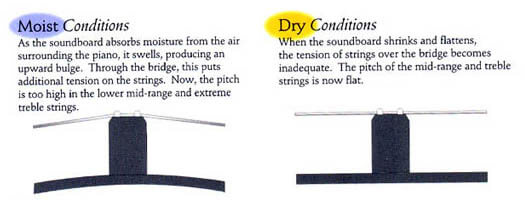
1. Soundboard swelling
- The soundboard expands
- Crown increases excessively
- Pitch rises and tuning becomes unstable
2. Sticky or sluggish keys
- Wooden action parts swell
- Keys may return slowly or stick
- Fast passages become difficult to play
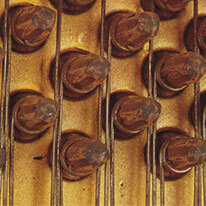
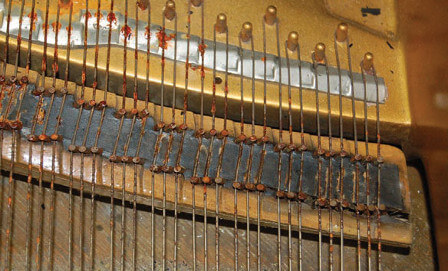
3. Rust and corrosion
- Strings and tuning pins can rust
- Rust weakens strings and affects tone
- Tuning pins may lose smooth movement
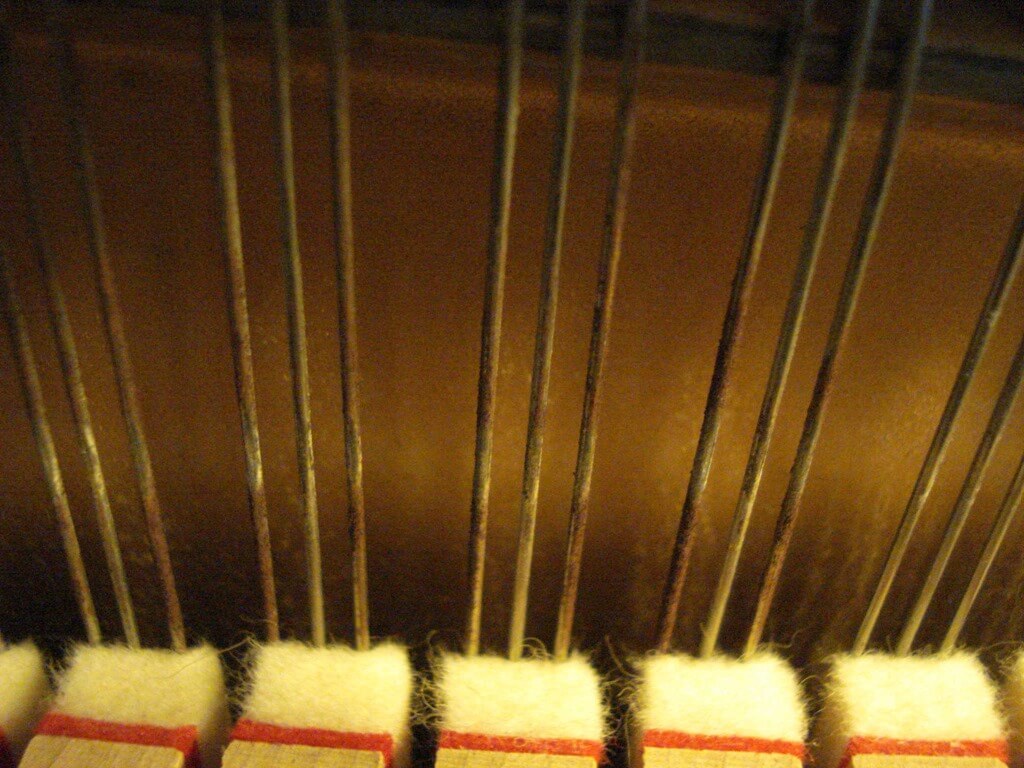
4. Muffled tone
- Damp felt absorbs moisture
- Hammer response becomes soft
- Overall sound loses clarity and brightness
“You can read our blog How to Take Care of Your Piano”
Effects of LOW humidity (below ~40%)
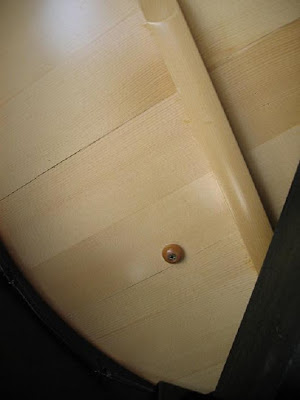


Low humidity in the room causes wood to dry out and shrink, resulting in:
1. Soundboard cracks
- Shrinkage creates stress fractures in soundboard
- Cracks reduce resonance and low volume
- Repairs can be expensive or permanent
2. Loose tuning pins
- Pinblock contracts
- Tuning pins lose grip
- The piano goes out of tune quickly
3. Brittle action parts
- Felt dries and cracks and hardens
- Increased noise in piano (clicks, knocks)
- Uneven touch and response
Ideal humidity range for acoustic piano
Recommended relative humidity for piano:
✅ 45% – 55%
Ideal room temperature:
✅ 18°C – 24°C
Keeping conditions stable is more important in sudden changes in weather. cause more damage than slightly imperfect levels.
Seasonal humidity challenges
- Monsoon season: Excess moisture causes swelling the wooden part and rust on metal parts
- Winter (dry air): Shrinkage, cracking, and tuning instability
- Air conditioners & heaters: Rapid moisture loss or gain or sudden change in the room
If pianos are placed near windows, kitchens, bathrooms, or AC vents, they are especially vulnerable, and the piano will be in worse condition in the future.
How to protect an acoustic piano from humidity damage
Practical protection methods:
- Use a digital hygrometer to monitor humidity
- Install a piano humidity control system
- Keep the piano away from direct sunlight and vents
- Use a breathable piano cover
- Importance of regular tuning and inspection
Long-term impact on sound and value
Poor humidity control can lead to:
- Permanent tonal changes
- Structural damage
- Higher maintenance costs
- Reduced resale value
Well-maintained humidity conditions, on the other hand, help preserve:
- Tuning stability
- Touch consistency
- Soundboard resonance
- Overall instrument longevity
Conclusion
How Humidity Affects Acoustic Pianos: Humidity’s impact on an acoustic piano is considerable. In terms of sound quality, feel, and longevity, controlling the moisture content of the air around the instrument is crucial to achieving optimum sound and feel. Not only does this provide the best-performing instrument, whether it be used in practice, performance, or event settings, but it also protects the investment made in the piano as a musical instrument.